
Airflow Problems Hiding Behind Walls
Ductwork Repair and Replacement in Tomball for leaks, damaged sections, and poor temperature distribution
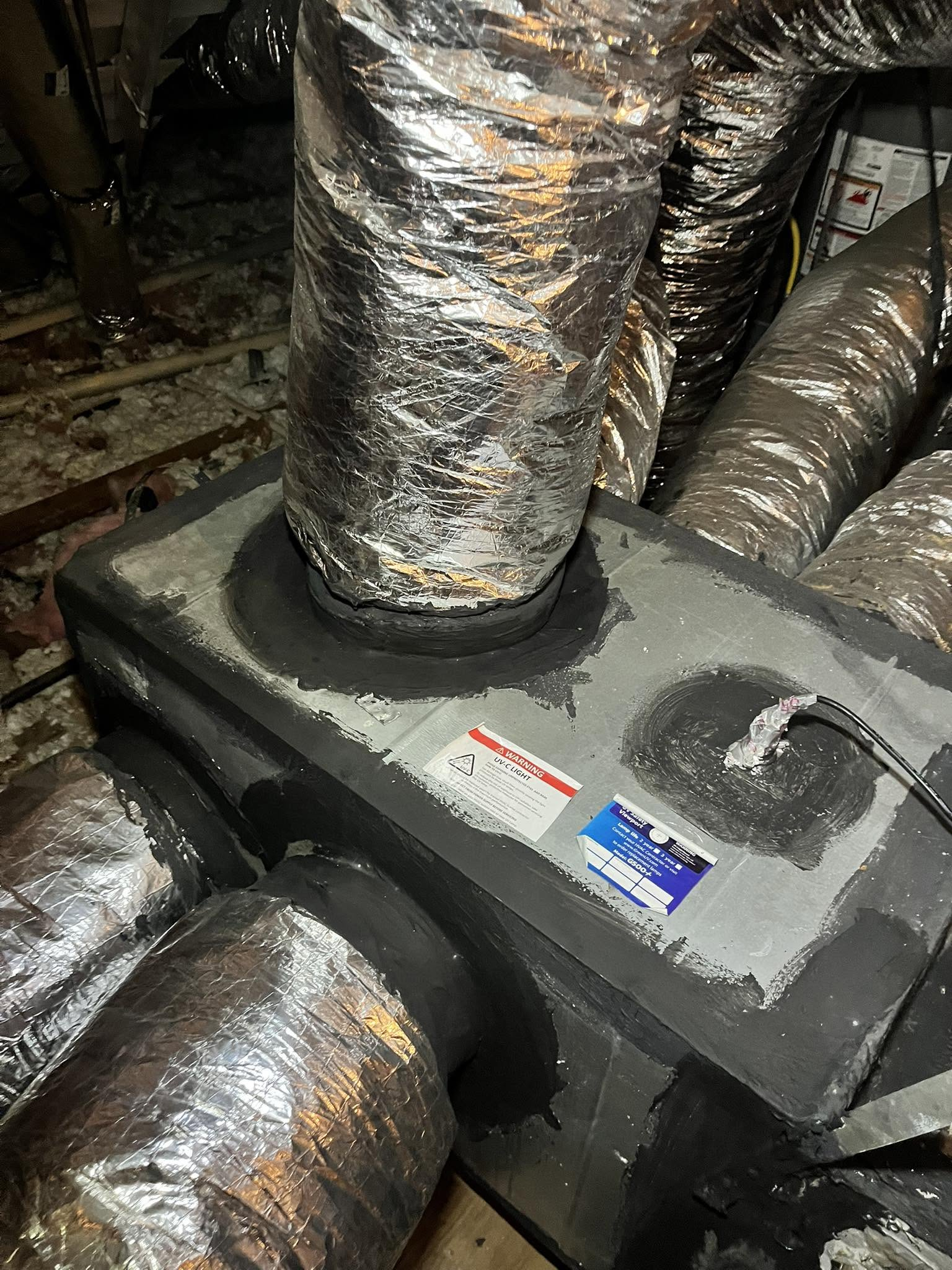
Ductwork deteriorates when flexible ducts sag and kink where supports fail, rigid sections separate at joints as buildings settle, and rodents or construction damage tears openings that leak conditioned air into attics or crawlspaces where it provides no comfort value. You suspect duct problems when certain rooms never reach thermostat temperature regardless of system runtime, utility bills increase without corresponding changes in weather or occupancy, or you notice dust accumulation patterns that indicate air bypassing filters through return leaks. Checkmate A/C & Heat evaluates and repairs ductwork throughout Tomball when airflow distribution or efficiency declines despite the heating and cooling equipment operating normally.
Professional evaluation identifies where leaks occur by measuring pressure differences across duct sections, inspecting accessible areas for visible damage or separation, and using airflow measurements at registers to detect restrictions or losses between the equipment and living spaces. Repairs involve sealing joints with mastic rather than tape that degrades over time, replacing kinked or crushed sections that restrict flow, and adding supports to prevent flexible duct from sagging into configurations that reduce effective diameter.
Schedule a ductwork inspection if comfort issues persist despite properly functioning HVAC equipment.
What Proper Duct Function Delivers
Sealing supply leaks prevents conditioned air from escaping into unconditioned spaces where summer attic temperatures in Tomball regularly exceed one hundred thirty degrees, making any air lost there completely wasted before it contributes to indoor comfort. Return leaks pull in unconditioned air that the system must heat or cool, increasing runtime and energy consumption while introducing humidity, dust, and outdoor pollutants that bypass filtration.
After ductwork repairs are finished, rooms that previously remained uncomfortably warm or cool reach target temperature because the intended volume of conditioned air actually arrives at each register, monthly energy costs decline as the system no longer compensates for air lost to leaks, and indoor air quality improves because return leaks no longer pull unfiltered air from attics or crawlspaces. You also notice reduced dust accumulation on surfaces since the system maintains proper pressure balance instead of pulling unconditioned air through building envelope gaps to replace air lost through supply leaks.
Ductwork replacement becomes necessary when widespread deterioration, undersized original installation, or layout changes make repair impractical compared to installing new sections designed for current equipment capacity and proper airflow balance. Replacement allows correcting design flaws like excessive length, too many bends that increase resistance, or insufficient return capacity that starves the blower and reduces total system airflow regardless of supply duct condition.
Common Ductwork Service Questions
Property owners dealing with comfort inconsistencies often ask about how ductwork problems develop and what repair or replacement involves.
What indicates ductwork problems rather than equipment failure?
When the furnace or air conditioner operates normally through complete cycles but specific rooms never reach comfortable temperature, filter surfaces show uneven dust patterns suggesting bypassed airflow, or you hear whistling sounds from registers indicating excessive pressure from restricted ducts.
How do leaks in attic ductwork affect energy costs in Tomball?
Supply leaks during summer cooling dump cold air into attics where heat immediately warms it before reaching living spaces, while return leaks pull in superheated attic air the system must cool, both forcing longer runtimes and higher electricity consumption to maintain indoor comfort.
Why does mastic seal better than foil tape?
Mastic remains flexible as ducts expand and contract with temperature changes, adheres to dusty or slightly irregular surfaces that tape peels away from, and maintains seal integrity for decades rather than the few years before tape adhesive degrades and edges lift.
What causes flexible ductwork to kink and restrict airflow?
Inadequate support spacing allows the duct to sag under its own weight and insulation, creating low points where the inner liner collapses and blocks airflow, or compression during installation folds the material into permanent restrictions that reduce effective diameter.
When does replacement make more sense than repairing existing ducts?
When total leak area exceeds thirty percent of duct surface, original installation used undersized ducts that create high velocity noise and restrict airflow regardless of condition, or layout requires excessive length and turns that replacement can eliminate with more direct routing.
Checkmate A/C & Heat provides thorough ductwork evaluation to identify hidden issues affecting your comfort and efficiency. Request an airflow assessment to determine whether duct condition contributes to the temperature or efficiency problems you're experiencing.